
Mexicans pay almost 18,500 bribes per day to police officers and public servants, a new survey suggests.
Based on the results of the most recent National Survey on Urban Public Security, the national statistics agency INEGI estimates that 2.9 million people paid some 3.4 million bribes in the second half of last year.
The estimate equates to the payment of 771 bribes per hour or 13 per minute.
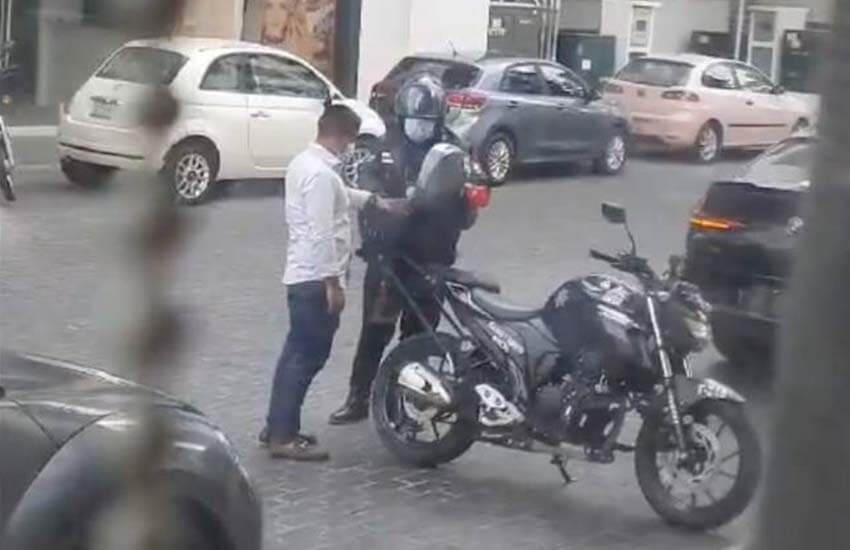
Known in Mexico as mordidas, bribes are frequently sought by employees at government offices who deal with members of the public seeking to complete bureaucratic procedures and by police officers who have stopped people for offenses such as running a red light or drinking in the street.
The INEGI data shows that the payment and receipt of mordidas continues to be the most ubiquitous form of corruption in Mexico.
At the municipal level, the payment of bribes was most prevalent in Puebla city, INEGI determined, while at the state level, the practice was most frequent in Mexico City.
The statistics agency estimates that over 145,000 bribes were paid to police and public servants in the Puebla capital in the second half of 2021. INEGI believes that more than 100,000 bribes were also paid between July and December in Tijuana, Baja California, and the La Laguna metropolitan area, which includes Torreón in Coahuila and Gómez Palacio in Durango.
Among the other bribery hotspots identified were Ecatepec and Toluca in México state; Gustavo A. Madero and Iztapalapa in Mexico City; Ciudad Juárez, Chihuahua; Mexicali, Baja California; and León, Guanajuato.
More than half a million people are estimated to have paid bribes in Mexico City in the second half of last year, while approximately 445,000 México state residents are believed to have handed over mordidas to police and bureaucrats.
Other states with high numbers of victims included Jalisco, Chihuahua and Nuevo León.
While individual bribes are usually small — perhaps 50 to 200 pesos — the prevalence of their payment means huge quantities of money change hands.
“There is the idea that administrative corruption is a small form of corruption, but there’s nothing more fallacious than that,” said Eduardo Bohórquez, head of the international nonprofit organization Transparency International in Mexico.
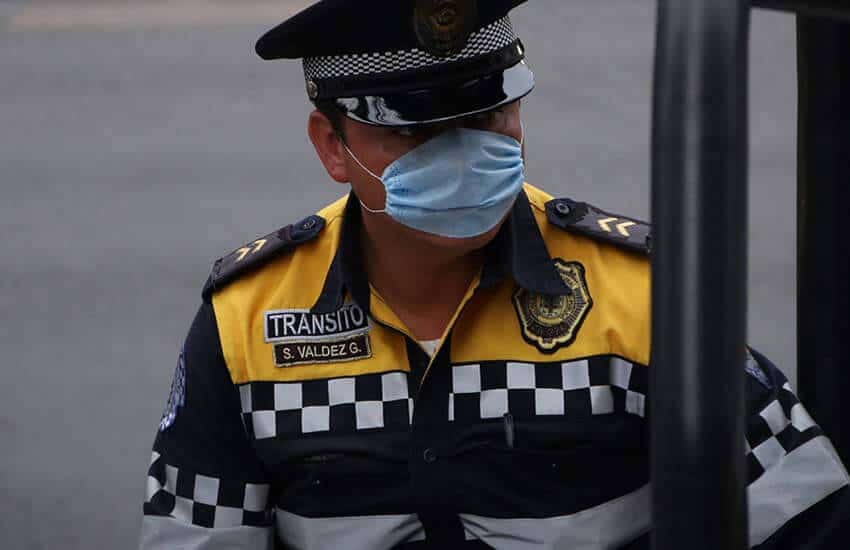
“Transit police operate in networks, … it’s a pyramid structure,” he said, meaning that officers have to hand over at least part of what they collect to their superiors.
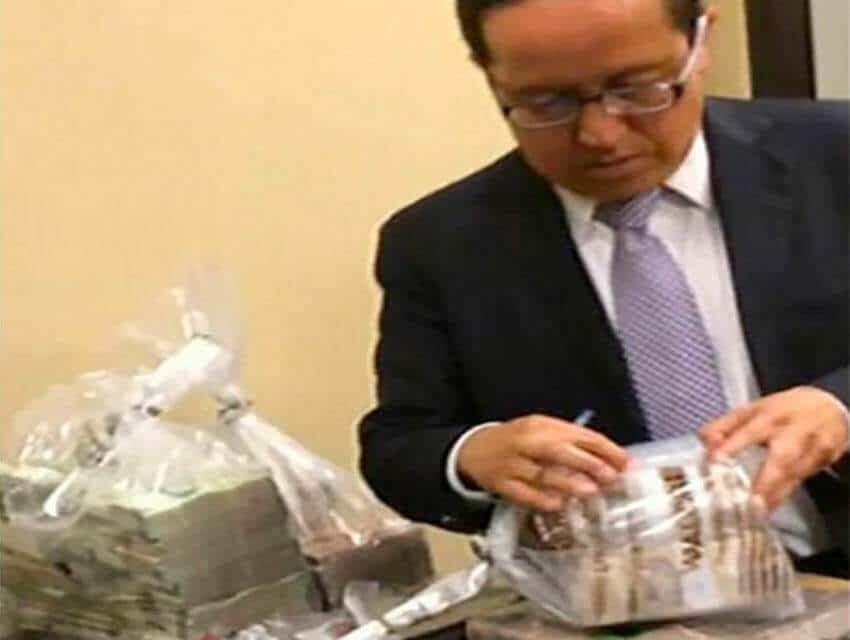
“It’s … large-scale corruption, it’s just structured on small bribes,” Bohórquez told the newspaper Milenio.
“The corruption that affects homes is measured in millions of cases, … it’s not a minor issue. In fact, … administrative corruption is connected to the large wheels of corruption in many cases,” he said.
Marco Fernández, a researcher with think tank México Evalúa and an academic in the school of government at the university Tec de Monterrey, asserted that official data underestimates Mexico’s bribery problem because many people are wary of revealing that they have been victims.
“A lot of the time it’s politically or socially difficult to publicly accept that you gave a mordida, so a lot of the time these numbers are underestimated,” he said.
Both Fernández and Bohórquez told Milenio that governments need to focus on eradicating corruption networks within public agencies in order to combat the bribery problem.
“In general, corruption networks that operated in the past and that operate in the present haven’t been broken up,” the former said.
“… We [Mexican authorities] are bad [at implementing] the different aspects that an anti-corruption policy should have,” Fernández said.
“We’re bad at detecting, investigating and punishing [corruption]; we’re terrible at recovering diverted funds, we practically don’t compensate victims and we don’t break up corruption networks.
“With that, the possibility of dissuading swindlers [from asking for bribes], getting them to think twice and not commit crimes of this nature is practically nonexistent.”
With reports from Milenio